
Beyond the Foundation
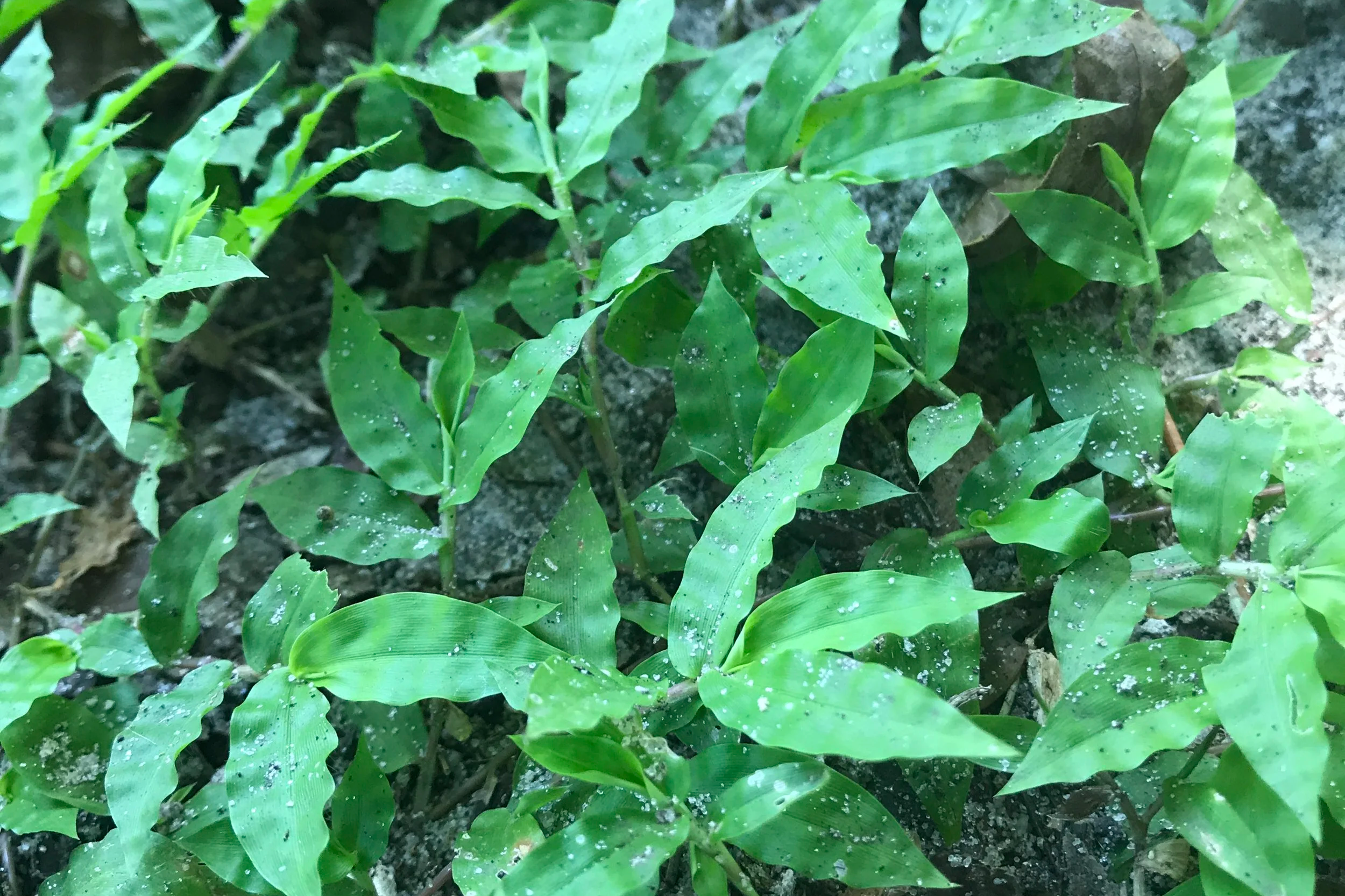
Wavyleaf Basketgrass (Oplismenus hirtellus)
Florida’s Other "Hidden
Invaders"
In our last post, we discussed the rising threat of invasive termites moving into North Central Florida. But as any local homeowner knows, the battle to protect our property doesn't stop at the foundation.
We’ve been following an excellent series by our colleagues at UF/IFAS Extension Orange County titled “Florida’s Hidden Invaders,” and it’s a must-read for anyone who cares about the health of their land. Their work highlights a critical truth: Invasive species aren't just in the walls; they are in the garden, too.
While the Orange County team covers the Central Florida corridor, their findings are a vital warning for us here in the Gainesville and Ocala areas. Here is what you need to know about the "other" invaders threatening your yard.
Respecting the Balance:
Why "Invasive" Matters
The UF/IFAS experts explain that many plants we consider "beautiful" or "easy to grow" are actually ecological bullies. Because they have no natural predators or diseases here, they jump the fence of your garden and take over our local forests and springs.
When invasive plants dominate, they don't just "look messy"—they crowd out the native plants that our local birds, bees, and butterflies depend on to survive.
The "Top Offenders" to
Watch in Your Yard
Drawing from the expert analysis provided by IFAS, here are a few common culprits you might find in your North Central Florida landscape:
Common Lantana (Lantana strigocamara): You see it at every big-box nursery, but this specific variety is a master invader. It’s toxic to livestock and pets, and it easily hitches a ride with birds to take over natural areas. The Fix: Look for native or sterile cultivars instead.
Chinese Wisteria: It looks like a fairytale when it blooms, but it’s a nightmare for your trees. This woody vine can grow so heavy it actually "girdles" and kills the trees it climbs. The Fix: Try the native American Wisteria for that same beautiful look without the destruction.
Mimosa/Silk Tree: Those pink "pom-pom" flowers are iconic, but each tree produces thousands of seeds that float away to clog up vacant lots and forests. The Fix: Central Florida offers plenty of native flowering trees that won't take over the neighborhood.
How to Be a "Florida-
Friendly" Neighbor
We highly recommend checking out the full UF/IFAS "Hidden Invaders" series for a deep dive into plant identification. In the meantime, here are three steps you can take today:
Check the Tag: When buying plants, look for the scientific name. If it’s not listed, or if it matches the invasive list on the IFAS website, put it back!
Pull with Care: Some invaders, like the Mother of Millions, can grow a whole new plant from a single leaf fragment. If you’re removing them, bag them carefully so you don’t accidentally plant a hundred more.
Consult the Assessment: Use the UF/IFAS Assessment of Non-Native Plants as your ultimate guide before you start your spring landscaping.
The Connection: Healthy
Yards, Healthy Homes
Whether it’s a Formosan termite in your crawlspace or a Chinese Wisteria in your canopy, invasive species thrive when we aren't paying attention. By following the science provided by the UF/IFAS Extension offices, we can keep North Central Florida beautiful, one yard at a time.
A huge thank you to Clarissa Chairez and the Orange County IFAS team for their incredible research and advocacy on this topic!